
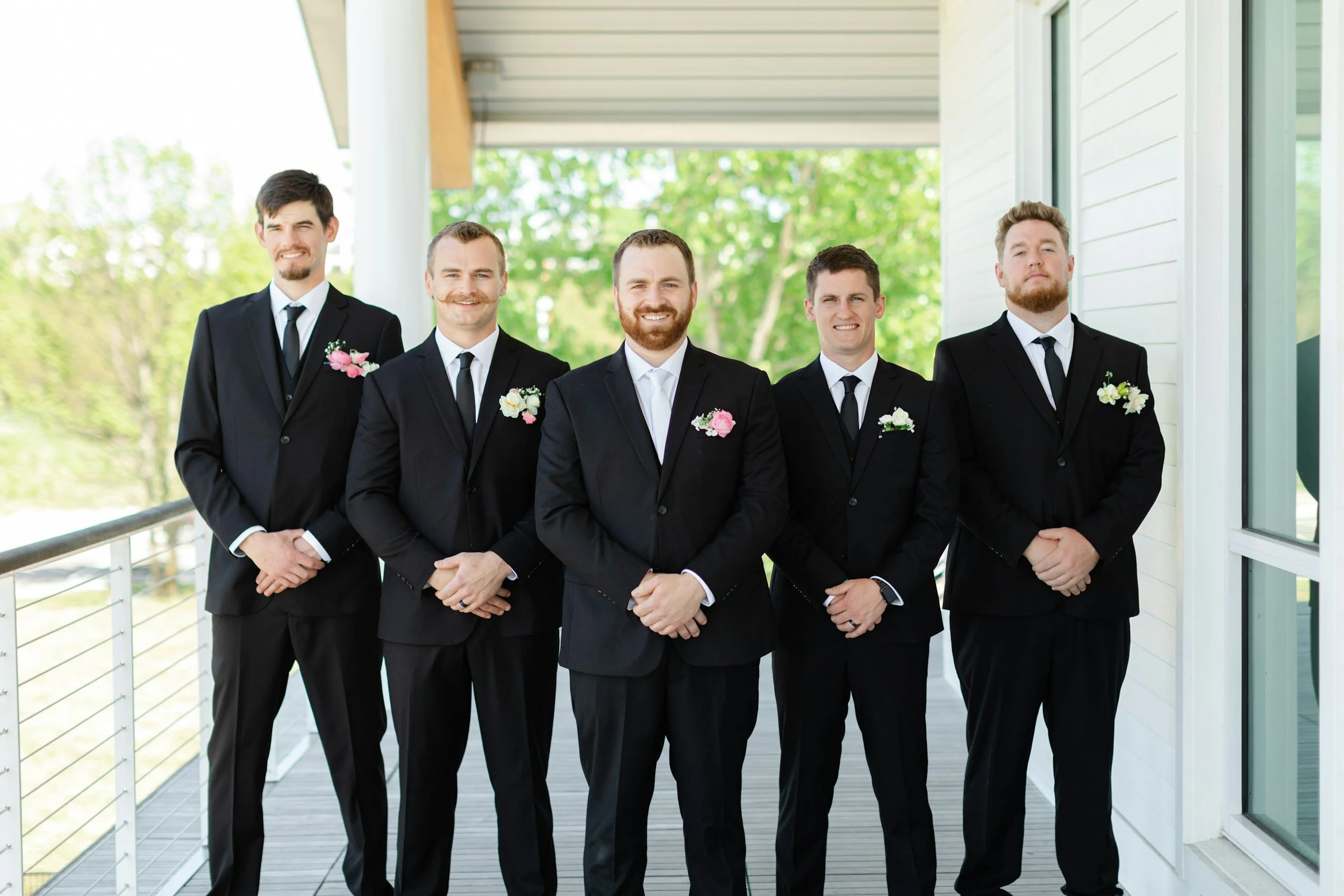
Wedding Ceremony Templates and Personal Vows
Choose a traditional or contemporary format, then shape a ceremony that fits both of your values.
Start with a format that fits
both of you
Use these outlines as a starting point, then we will customize your ceremony to reflect your beliefs and values. If you read one section today, read Personal Vows, since your vows are the heart of the ceremony.
-
Purpose
• Start with a ceremony format that fits both partners.
• Use provided outlines to customize your ceremony.
• Personal vows are the heart of your ceremony. -
Purpose
• Prepare your wedding party for processional and recessional.Who attends
• Couple, bridesmaids, groomsmen.
• No flower girls, ring bearers, readers, or sponsors.Key points
• Venue coordinator leads the rehearsal.
• Priest does not attend.
• You relax on the wedding day, officiant guides ceremony. -
• Interfaith relationships encourage reflection on beliefs.
• Shared ceremony reflects both belief systems.
• Officiant supports authentic, meaningful ceremony creation. -
Importance
• Vows are central to the ceremony and personal commitment.
• In California, the vow exchange legally establishes your marriage.Writing tips
First paragraph: your origin story together.
Second paragraph: why you want a shared life.
• Avoid lists of tasks.
Who reads them
• You.
• Your partner.
• Future children.Example (excerpt)
• A personal story followed by expressions of gratitude and future hopes.
The Rehearsal
The purpose of the rehearsal is to prepare the wedding party for the ceremony, ensuring they know when and how to walk in (Processional), where to stand at the ceremony site, and when and how to walk out (Recessional). This is what you will “Rehearse” at the Rehearsal.
1) Do we need a rehearsal? If you have three or more sets of couples in your wedding entourage, a rehearsal is recommended.
2) When should I schedule the rehearsal with my venue? As soon as possible. The sooner you have a date, time, and address, the sooner you can inform members of your wedding party and have them add the rehearsal to their calendars. The longer you wait to do this, the more likely they will have a conflicting event and, therefore, be unable to attend the rehearsal.
3) Who conducts the rehearsal? The venue coordinator. Most venues insist on this to ensure that every event follows their policies and procedures. If you have a "Day-Of" or Personal Coordinator, they may co-conduct the rehearsal.
4) Who should attend the rehearsal? The couple, bridesmaids, and groomsmen—period. Why just these people?
You will have a formal banquet after your wedding for parents, relatives, friends, and co-workers.
The rehearsal dinner/luncheon is an intimate and casual event that allows your wedding party to meet and socialize before the wedding day.
It is customary to give a small gift to wedding party members and a slightly nicer gift to the Maid/Matron of Honor and the Best Man.
Can the Bride have a Man of Honor, or the Groom have a Best Lady? Yes.
Other optional wedding party members and ceremony participants, such as flower girls, ring bearers, readers, and sponsors (padrinos/madrinas), do not need to attend the rehearsal. Readers and sponsors will be seated in the congregation and invited up at the appropriate moment during the ceremony.
5) What is rehearsed at the rehearsal?
The processional (walking in) is in the correct order.
Assembling at the correct places at the ceremony site.
The recessional (walking out) is in the correct order.
The coordinator will tailor these elements to suit your needs and preferences.
6) Does the priest attend the rehearsal? No. I will not attend the rehearsal since my presence there will be redundant and unnecessary. The religious part of the ceremony is not rehearsed, as it should be natural and authentic on the wedding day. Once both of you step in front of me at the Ceremony Site, I will guide you through the entire ceremony. You don't have to worry about remembering cues or memorizing lines. You can relax, be present with each other, and enjoy the celebration.

When selecting the format for your wedding ceremony, consider what authentically reflects both of your personal beliefs and values.
This principle should guide your choice, whether you opt for a Traditional Wedding Ceremony or a Contemporary Wedding Ceremony.
Ceremony Format Options
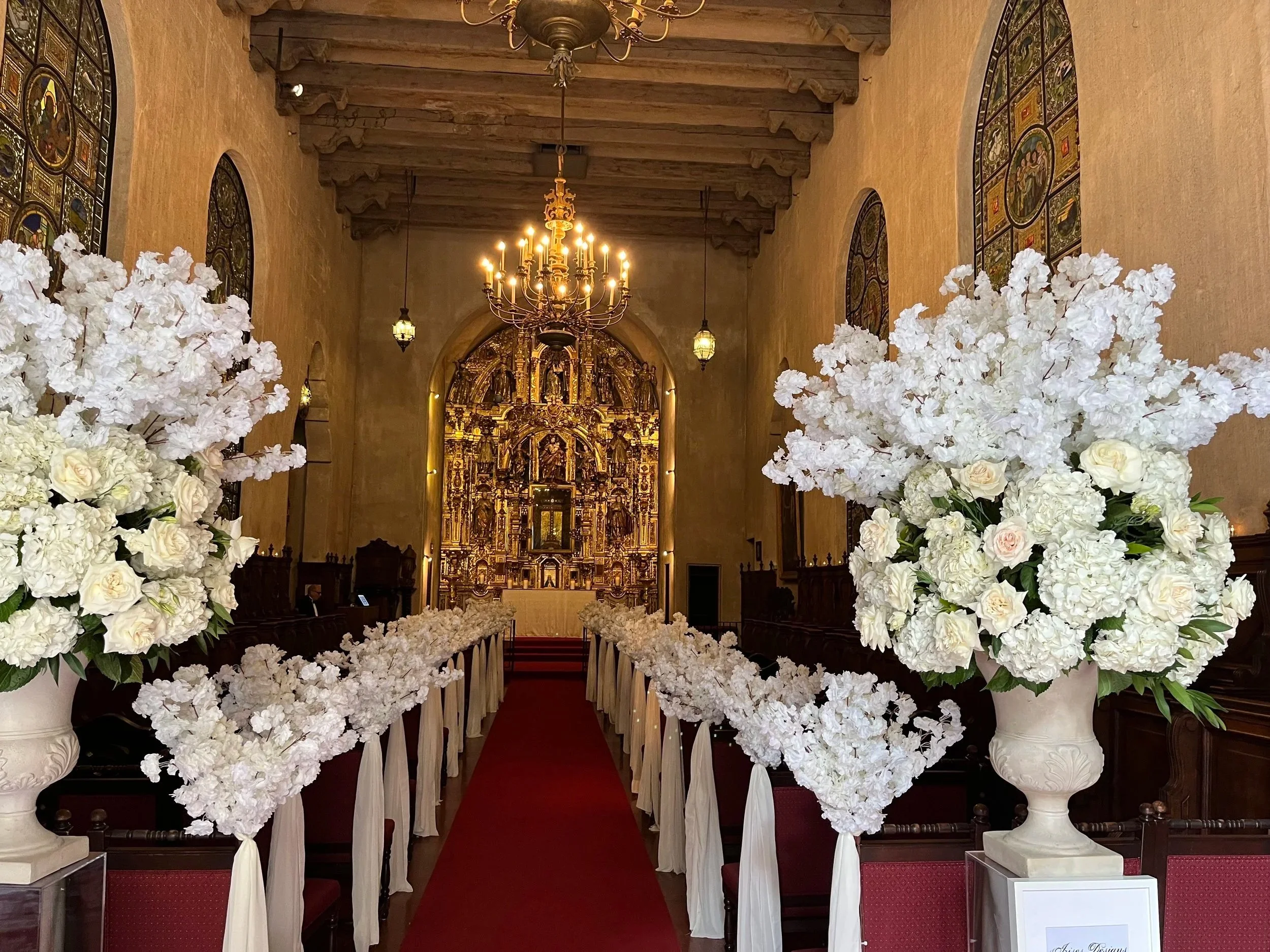
Photo Credit: The St. Francis Chapel at the Mission Inn in Riverside, California.
Traditional Wedding Ceremony
Recommended for:
• Christian couples of Catholic, Orthodox, or Protestant faiths.
Order of service
Opening prayer.
Scripture readings (Paul 1 Cor 13: 4-8; John 15: 12-16).
Homily (Sermon),
Consent questions (“Have you come freely…”).
Exchange of marriage vows.
Ring blessing and exchange (with suggested technique).
Cultural rituals (optional).
Lord’s Prayer.
Nuptial Blessing and closing prayer.
Presentation of couple and recessional.
Notes
• Vows mark your legal marriage in California.
• Writing personal vows is recommended.
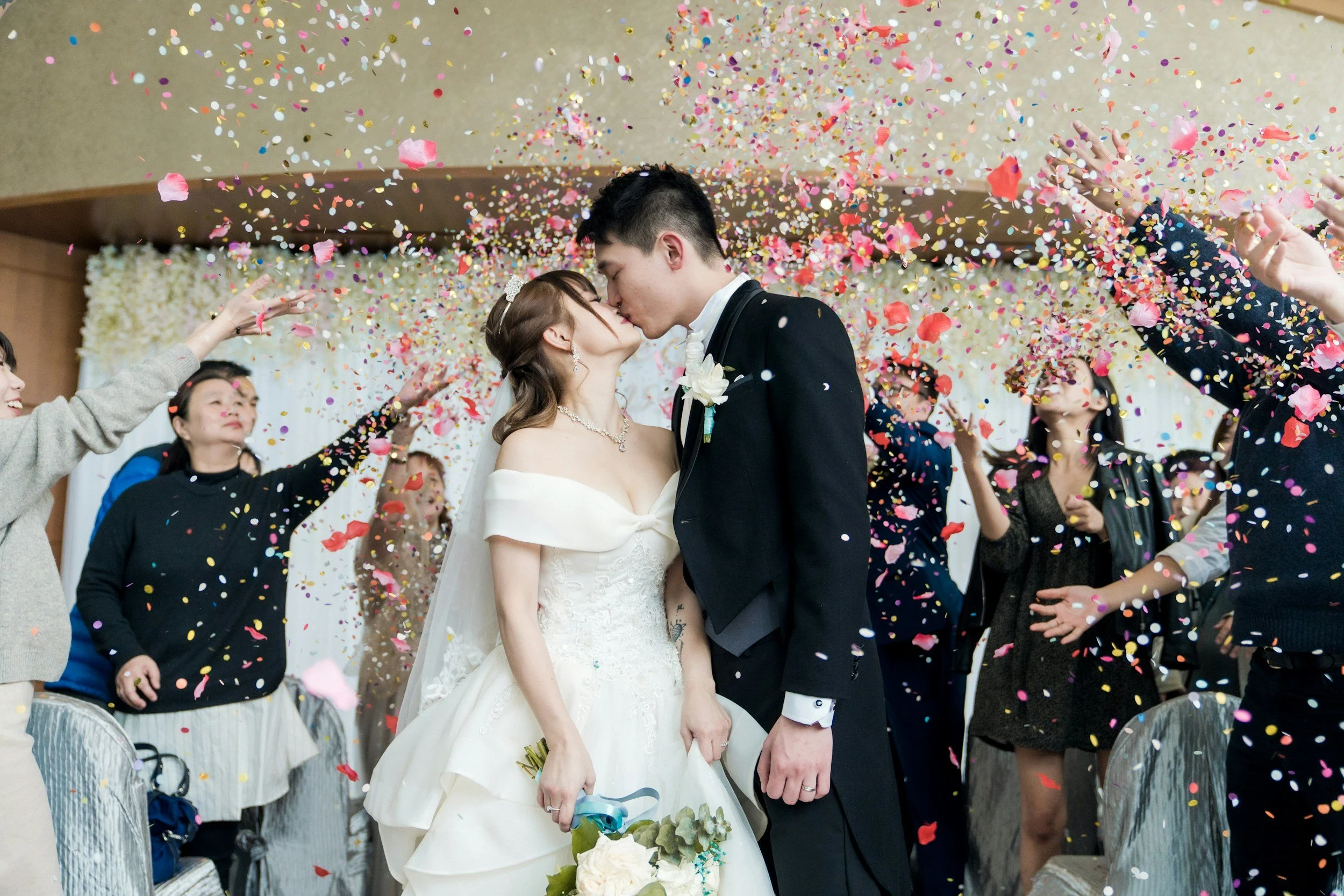
Contemporary Wedding Ceremony
Recommended for:
Couples who identify as spiritual but not religious.
Interfaith couples.
Agnostic and Atheist couples.
Order of service
Opening reflection on love.
Reading of a meaningful poem, literature, or text.
Commentary.
Consent questions (“Have you come freely…”).
Exchange of marriage vows.
Ring exchange (with suggested technique).
Cultural rituals (optional).
Nuptial blessing (optional).
Closing reflection.
Presentation of couple and recessional.
Customization
• Include texts or traditions meaningful to you.
Contemporary Wedding Ceremony
A Modern, Inclusive Ceremony Framework
This ceremony format offers a flexible structure for couples of different faiths, cultures, and beliefs. It provides a neutral foundation that you personalize with readings, traditions, and values meaningful to your relationship.
-
Compassion sits at the heart of all religions and ethical systems. Love becomes meaningful when expressed through action, support, and shared life. Centering your ceremony on compassion and love strengthens both your wedding celebration and your life together.
-
You are encouraged to include traditions, readings, and cultural elements that reflect who you are. Blending meaningful customs into this framework creates a ceremony that feels authentic and personal.
The preparation process often becomes as meaningful as the ceremony itself. As individuals and as a couple, you grow and change over time. A lifelong partnership involves continual learning, deeper understanding, and shared experiences.
In the years ahead, your anniversaries become moments to reflect on a lasting thread of love, respect, and gratitude woven through your life together.
Cultural Options and Symbolic Rituals
Wedding ceremonies often include meaningful symbols. Some traditions are widely recognized, while others reflect family heritage and culture.
-
The exchange of rings and the first kiss are understood across cultures. A wedding band immediately signals marriage. These moments communicate commitment without explanation.
-
Many couples include rituals rooted in their heritage. These traditions are usually cultural rather than religious. If your parents or grandparents included a ritual in their ceremony, your guests will often connect with it emotionally.
Choose rituals familiar to you and your guests. When a ritual needs lengthy explanation, the moment loses impact and can feel disconnected from the ceremony.
-
Scandinavian Unity Candle
The couple lights one pillar candle using two taper candles, symbolizing two lives joining as one.
Confirm with your venue that open flames are permitted. Outdoor ceremonies in windy areas are not suitable for this ritual. -
Lasso, Veil, and Cord
A decorative lasso, veil, or cord is placed around the couple to symbolize unity and lifelong connection.Please Note: Please be advised that kneelers or cushions are not required for the Lasso ceremony unless you are having a full Nuptial Mass. Kneeling is reserved for the Eucharist rather than for imposition of the Lasso.
Arras or Coins
The couple exchanges coins to represent shared responsibility for material life and prosperity.Bible and Rosary
A Bible and rosary are presented to symbolize the spiritual foundation of marriage. -
The couple wears crowns called Stefana, representing honor and glory. A ribbon connects the crowns to symbolize unity and shared purpose.
-
The couple’s hands are tied together with a cord or cloth while a reading or poem is shared. This ancient ritual symbolizes commitment and the binding of two lives.
-
The Lord’s Prayer and Nuptial Blessing
The Lord’s Prayer may be included, followed by a special blessing for the couple.
Optional additions:
• Communion Service, adds approximately five minutes.
• Full Eucharistic Liturgy, adds approximately thirty minutes.Rose Presentation Ceremony
The couple honors both mothers with long stemmed roses.
• The bride presents a rose to her mother, and the groom embraces his mother in law.
• The groom presents a rose to his mother, and the bride embraces her mother in law.
• The couple returns together to the ceremony space.
Ave Maria is commonly played, though other music selections are welcome.Closing Moments of the Ceremony
• Closing prayer by the priest.
• Final blessing for the congregation.
• Formal presentation of the couple as newly married.
• Recessional as music plays and the wedding party exits the aisle. -
A ceremony including these elements lasts approximately thirty five minutes.
Ceremony Order
Following the Entrance Procession
-
A reflection on partnership and shared life introduces the ceremony.
-
The joy of two people supporting one another, finding comfort during challenges, celebrating life’s happiness together, and sharing a deep emotional bond.
-
A poem or literary selection meaningful to the couple is read.
Example
Touched By An Angel by Maya AngelouYou may choose a different reading that holds personal meaning. Select pieces that inspire connection rather than instructional or prescriptive texts.
-
The officiant offers brief reflections connecting the reading to the couple’s relationship and shared journey.
-
The officiant asks the couple to publicly affirm their intentions.
Questions include
• Entering marriage freely and without reservation
• Commitment to lifelong love and respect
• Commitment to welcoming and raising children with care and compassion, optionalThe couple joins right hands and declares consent before their witnesses.
-
Each partner affirms their marriage commitment.
Traditional vow format
A promise to love and remain faithful through prosperity and hardship, health and illness, for the rest of life.Each partner responds
I do. -
The officiant blesses the rings as symbols of commitment and unity.
Each partner places a ring on the other’s finger and says
Accept this ring as a symbol of my love and fidelity. -
Optional cultural traditions or symbolic rituals may be included. Examples include unity ceremonies, handfasting, coin exchanges, or family blessings.
-
A blessing is offered for the couple’s shared life.
Blessings may include
• Strength and joy in each other
• Support from friends and community
• Peace within the home
• Growth of love over time
• Courage to honor promises
• Commitment to compassion and serviceOptional blessings
• Blessing for children and future generations
• Blessing for family life and parenthood -
The officiant formally concludes the ceremony.
The couple is presented to family and friends as newly married.
-
Music begins.
The newly married couple walks down the aisle together.
They are followed by the wedding party and parents. -
A contemporary ceremony with these elements lasts approximately twenty five minutes.
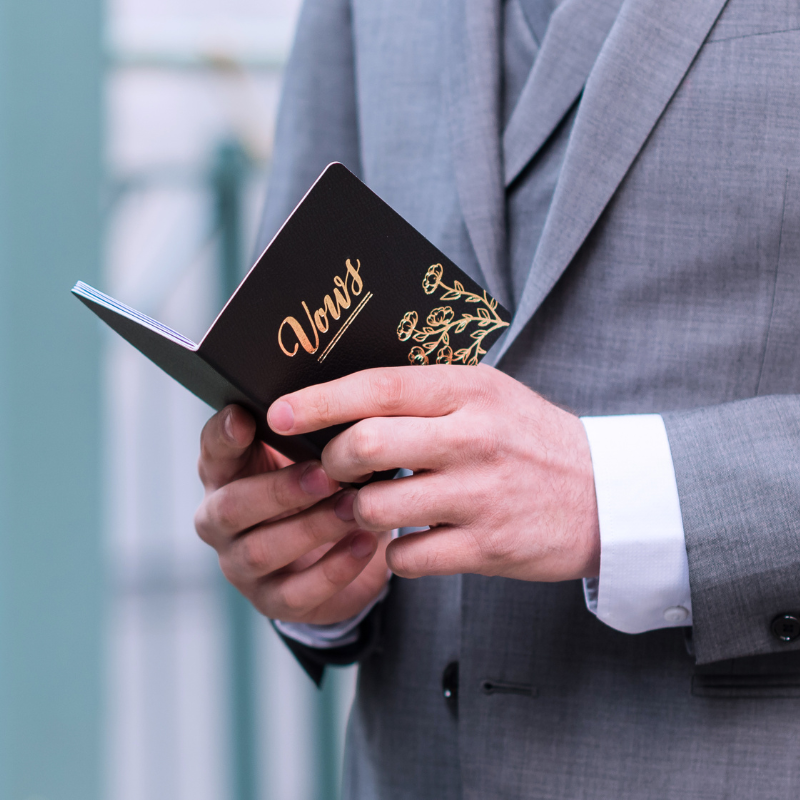
Personal Vows
Guidelines for Writing Meaningful Wedding Promises
Personal vows express why you choose each other and what your partnership means. They may be shared during the ceremony or kept private. Set aside quiet time to write two thoughtful paragraphs.
Structure for Your Vows
Paragraph One, When did I first know it was you?
Reflect on your relationship journey.
Describe the moment you realized you had found the person you wanted to marry.
Think about when your connection felt natural, certain, and right.
Paragraph Two, Why I want to share life with you.
Share why you want to journey through life together.
Focus on who your partner is and how your relationship strengthens and enriches you both.
What to Avoid
Avoid long lists of tasks or promises.
Marriage is not based on chores or obligations.
It is built on connection, respect, and shared growth.
Write about the moment you recognized your partner’s heart and character and knew you wanted a shared future.
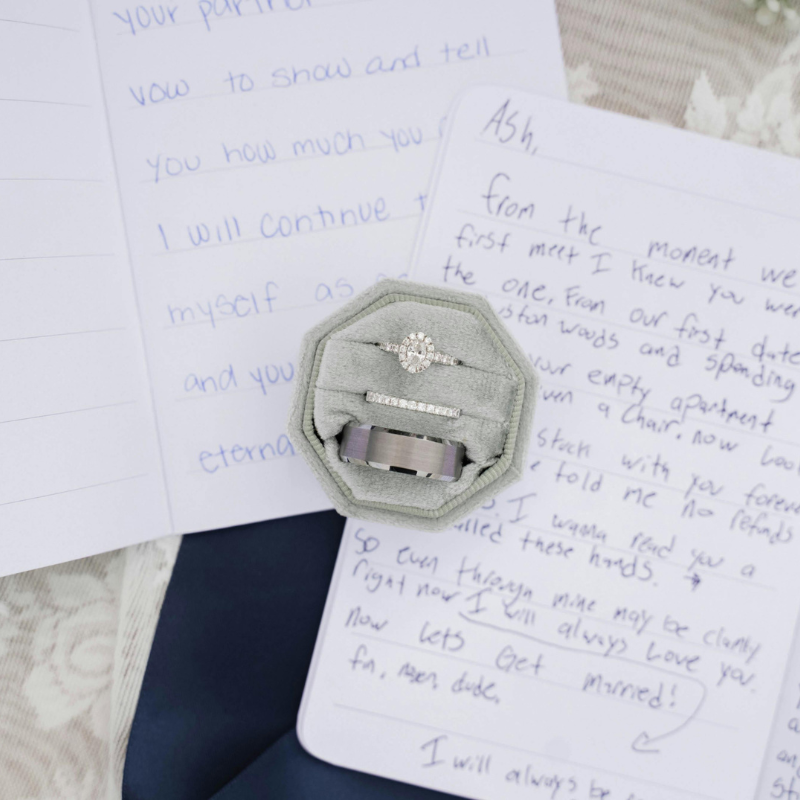
Who You Are Writing For
Yourself
Your wedding marks a major life milestone.
Writing helps you reflect with clarity and intention.
Putting words on paper strengthens your understanding of your commitment.
Your Partner
Your vows are a personal gift.
You stand before loved ones and openly express why you chose each other.
These words affirm your bond and shared path.
Your Future Children
One day, your children may read your vows.
Your words will help them understand your love story and the foundation of your family.
Couples with different belief systems
Their wedding ceremonies and shared lives.
One of the great blessings of an interfaith relationship is that it requires both individuals to examine their beliefs. It encourages us to seek the truth and value in the beliefs our parents gifted us and to consider those of the love of our life as we establish our new home.
Even within the same family, members can have surprisingly different understandings of belonging to their religion and culture.
Our beliefs evolve as we develop, facing life's challenges and shaping our spirituality and relationships, including our relationship and understanding of ourselves.
Falling in love and building a life as a couple with another person requires us to reflect on our lives and beliefs, which is spiritually beneficial. During my time in the U.S. Air Force Reserve, I worked as a chaplain and had the opportunity to interact and collaborate with clergy from different religions. My experience in Chaplaincy School and serving in the Air Force provided me with the knowledge and practical experience to support the spiritual needs of various religious, agnostic, and atheist couples. Integrity and compassion are the goals of authentic spirituality and the golden thread that unites us all.
I consider it a joy to collaborate with other clergy. Whether working with other clergy or you alone as a couple, I will endeavor to make your wedding celebration an authentic representation of your values and beliefs.